Strong financial controls are essential for maintaining accurate financial records, ensuring compliance, and preparing for audits. One of the most important controls within NetSuite is the Journal Entry Approval Workflow, which enables organizations to review, validate, and approve financial adjustments before they are posted to the general ledger.
At Versich, we help organizations implement and optimize NetSuite approval workflows that improve governance, reduce financial risk, and streamline accounting operations. Whether you're a nonprofit, growing business, or enterprise organization, a well-designed journal approval process enhances transparency, accountability, and financial accuracy.
Why Journal Entry Approvals Are Important
Journal entries are highly flexible and can directly affect financial statements. Without proper oversight, they can introduce posting errors, unauthorized adjustments, or compliance issues.
Implementing a structured approval process helps organizations:
Prevent unauthorized journal postings
Improve financial accuracy and reporting integrity
Strengthen internal controls and segregation of duties
Maintain complete audit trails
Increase accountability for financial adjustments
Ensure compliance with organizational policies and regulatory requirements
Common Journal Entry Use Cases
Organizations frequently use journal entries for:
Month-end and year-end accruals
Expense allocations
Revenue recognition adjustments
Intercompany transactions
Grant and project accounting adjustments
Fund transfers and reclassifications
Correction of accounting errors
Because these transactions can significantly impact financial reporting, proper approval controls are critical.
NetSuite Journal Entry Approval Workflow
NetSuite provides native approval functionality along with customizable SuiteFlow workflows that allow organizations to automate and standardize journal entry reviews.
Core Workflow Components
A typical NetSuite journal approval process includes:
Approval Status Tracking: Each journal entry automatically progresses through approval stages, such as Pending Approval, Approved, or Rejected. This provides clear visibility into the status of every journal entry.
Approval Routing: Journal entries can be routed to designated approvers based on:
Department
Subsidiary
Amount thresholds
Business unit
Custom approval rules
Rejection Management: Approvers can reject entries and provide comments explaining required corrections. Preparers can then update and resubmit the journal for approval.
Posting Controls: Journal entries remain unposted until final approval is received, preventing unauthorized transactions from affecting financial statements.
Automated Notifications: NetSuite can automatically notify approvers when a review is required and alert preparers when entries are approved or rejected.
Role-Based Security: Approval authority can be restricted to finance leaders, controllers, accounting managers, or designated executives.
Record Locking: Once approved, journal entries can be locked to prevent unauthorized modifications and preserve audit integrity.
Journal Entry Approval Process
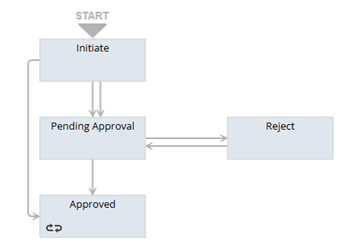
Step 1: Journal Entry Creation
The preparer creates a journal entry and submits it for approval.
Key actions include:
- Approval Status is set to Pending ApprovalThe The
- Journal Creator field is automatically populated
- Supporting documentation and memos are attached
- Entry is routed to the designated approver
Step 2: Pending Approval Review
During the review phase:
- Approval-related fields are locked
- Only authorized approvers can approve or reject entries
- Preparers cannot approve their own journal entries
- Supporting documents are reviewed for accuracy and completeness
This stage helps maintain strong segregation of duties.
Step 3: Approval
Once reviewed and approved:
- Status changes to Approved
- Approver information is recorded
- Audit history is updated
- Notifications are sent to the preparer
- The journal entry becomes eligible for posting to the general ledger
Step 4: Rejection and Resubmission
If corrections are required:
- Status changes to Rejected
- Rejection comments are captured
- The preparer receives notification
- The journal can be updated and resubmitted for approval
This ensures all financial adjustments meet organizational standards before posting.
Best Practices for Journal Entry Approval Workflows
Enforce Segregation of Duties
Journal creators should never have the authority to approve their own entries. Separating preparation and approval responsibilities reduces fraud risk and strengthens governance.
Require Supporting Documentation
Every journal entry should include sufficient backup documentation, explanations, and supporting calculations to facilitate audits and reviews.
Implement Approval Thresholds
Organizations should establish multi-level approvals based on transaction value, ensuring larger adjustments receive additional scrutiny.
Include All Journal Sources
Approval workflows should apply consistently across:
- Manual journal entries
- CSV imports
- Recurring journals
- System-generated journals
- Integration-created entries
Align with Period Close Procedures
Journal approvals should be integrated into the month-end and year-end close processes to prevent unapproved adjustments after accounting periods are locked.
Maintain Detailed Audit Trails
Capture:
- Creator information
- Approval history
- Rejection comments
- Modification records
- Supporting documentation
This simplifies audit preparation and strengthens compliance.
Common Challenges Organizations Face
Incomplete Workflow Coverage: Many organizations apply approvals only to manually created journals while overlooking imported or automated transactions.
Excessive Approval Permissions: Granting approval access to too many users weakens internal controls and increases risk.
Missing Documentation: Insufficient supporting details can create audit concerns and make financial reviews more difficult.
Inconsistent Approval Rules: Different departments following separate approval standards often create confusion and compliance gaps.
Lack of Visibility: Without automated notifications and dashboards, approval bottlenecks can delay financial close activities.
How Versich Helps
We help organizations design, implement, and optimize NetSuite journal entry approval workflows that align with operational requirements and compliance objectives.
Our NetSuite consultants assist with:
Journal Entry Workflow Design
SuiteFlow Automation
Multi-Level Approval Routing
Segregation of Duties Implementation
Audit and Compliance Controls
Financial Process Optimization
Role-Based Security Configuration
NetSuite Accounting Best Practices
We work closely with finance teams to ensure journal approval processes support both operational efficiency and strong financial governance.
Conclusion
A well-designed journal entry approval workflow is a critical component of an effective financial control framework. By leveraging NetSuite's workflow automation capabilities, organizations can enhance accuracy, strengthen compliance, mitigate risk, and maintain comprehensive visibility over financial adjustments.
Whether you're managing complex nonprofit fund accounting, multi-subsidiary operations, or enterprise financial processes, We can help you build a scalable and audit-ready NetSuite approval framework that supports long-term business success.