Yes. Odoo provides applications for sales, purchasing, inventory, warehouse operations, invoicing, and accounting. These applications can be configured to support wholesale processes such as bulk orders, customer-specific pricing, multi-warehouse stock control, and supplier replenishment.
Yes. Odoo Inventory supports multiple warehouses, internal locations, stock transfers, replenishment routes and warehouse operation types. The configuration determines how stock moves between your facilities and how teams process receipts and deliveries.
Yes. Odoo Sales supports customer-specific pricelists and pricing rules based on products, categories, minimum quantities, discounts and fixed prices. These rules can support negotiated B2B prices and volume-based pricing.
Yes. Odoo supports units of measure and product packaging. Products can be configured for the relevant purchase, storage and sales quantities, with packaging options used in applicable sales and pricing workflows.
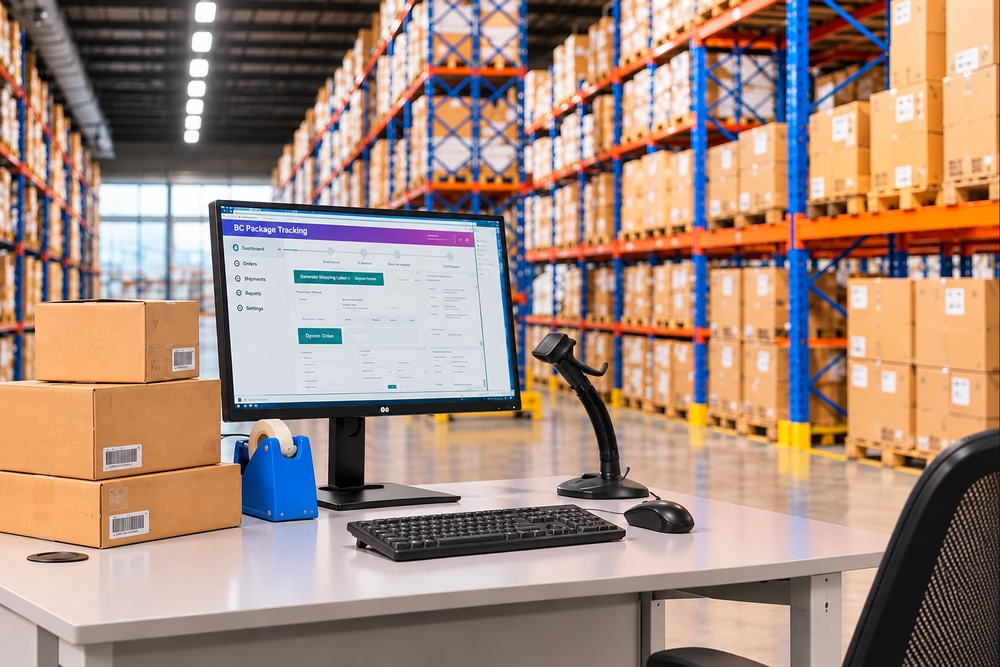
Yes. Odoo Barcode supports scanning for warehouse operations such as receipts, internal transfers and deliveries. Product and location barcodes can be configured to support the warehouse workflow.
Yes. Odoo supports lot and serial number tracking, expiration dates and removal strategies such as FEFO. These features support traceability for products that require batch identification or shelf-life management.
Yes. Odoo Landed Costs allows eligible additional expenses, such as freight, insurance and customs duties, to be allocated to received products and included in inventory valuation. The feature requires the appropriate costing method and accounting configuration.
Yes. Odoo supports dropshipping, where suppliers deliver products directly to customers. The relevant products and procurement routes must be configured for this fulfilment method.
Odoo supports customer invoicing, payment terms, receivables, and overdue payment follow-up. Where a distributor needs automatic credit-limit enforcement or order blocking, the required approval controls should be assessed and configured as part of the implementation.
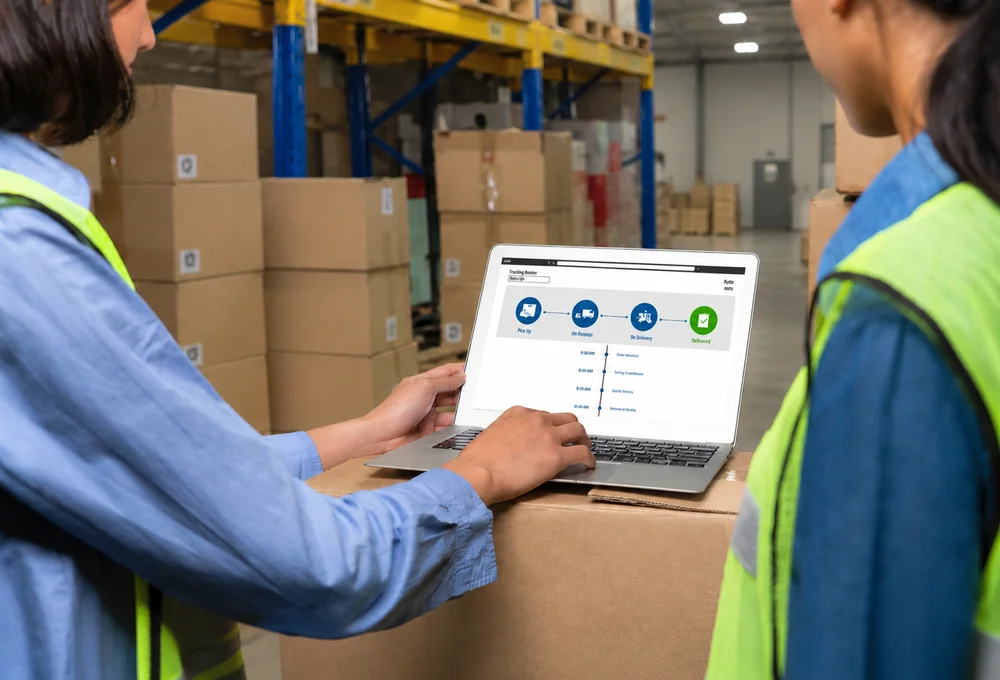
Odoo provides supported shipping carrier integrations and can connect with external applications through available connectors and integration methods. The required carrier, B2B platform, EDI provider, or other system must be assessed to determine the appropriate integration approach.
The cost depends on the number of users, warehouses, product records, business workflows, data migration requirements, integrations, and custom development. A distributor with one warehouse and straightforward pricing has a different implementation scope from a business operating several facilities with complex fulfilment and external-system integrations.