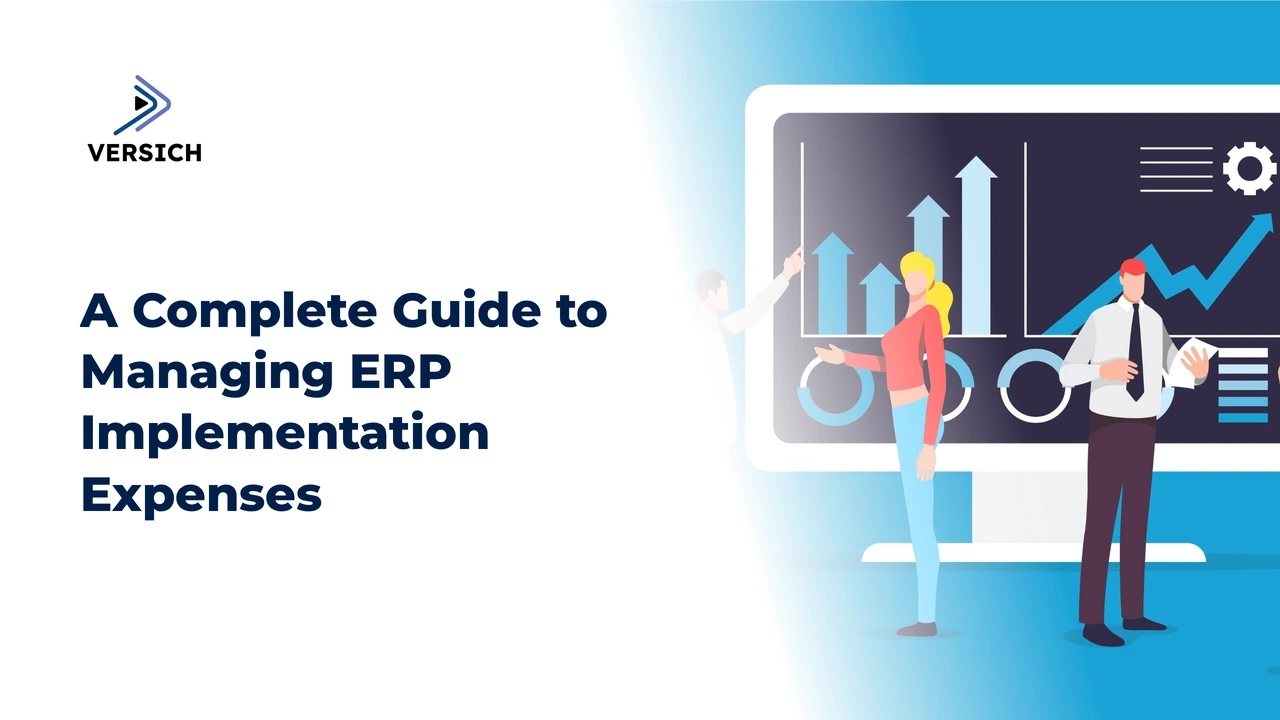
Implementing an Enterprise Resource Planning (ERP) system is essential for businesses aiming to optimize and integrate their operations. This process involves rolling out an extensive software solution that oversees various fundamental functions, including finance, human resources, supply chain, and customer relationship management. However, executing a successful ERP implementation incurs several costs that must be controlled meticulously to achieve a favorable outcome. In this article, we offer a detailed guide on managing ERP implementation expenses.
Crucial Elements Influencing ERP Implementation Costs
Costs associated with ERP software implementation can be categorized into various fixed and variable components. These comprise licensing fees, infrastructure investment, data migration expenses, customization costs, testing charges, third-party integration fees, training costs, and ongoing support fees. Recognizing these components is essential for understanding the breakdown of ERP implementation expenses. Below, we elucidate each key cost factor.
1. ERP Licensing Fees
The initial cost that enterprises encounter is the licensing fee associated with the ERP software. This fee varies significantly across different ERP solutions. The total cost is also influenced by the number of users and the selected software version, as some ERP systems offer distinct versions for small to medium enterprises and larger corporations.
2. ERP Infrastructure, Servers, and Network
A reliable infrastructure, adequate servers, and a stable network are necessities for the effective operation of an ERP system. Associated costs involve the purchase or upgrade of hardware, ensuring adequate server capacity, and establishing a secure and efficient network to support the ERP implementation.
3. Data Migration and Legacy Software Integration
The task of migrating existing data from legacy systems into the new ERP solution is both critical and intricate. Data migration costs include extracting, cleaning, and transforming data to align with the new system's specifications. Moreover, integrating the ERP software with existing applications or databases may necessitate additional development work, increasing costs.
4. ERP Customization
Every organization has distinct processes and needs. Tailoring the ERP software to fit specific requirements often results in incremental costs. Custom ERP solutions involve modifying or enhancing the system's functionality, user interfaces, workflows, or reports to align with specific operational processes and industry practices.
5. ERP Testing
Ensuring thorough testing is vital for the effective functioning of the ERP system and its alignment with the organization’s requirements. This includes diverse tasks such as system integration testing, performance assessments, and user acceptance testing. Testing-related expenses encompass setting up test environments, procuring testing tools, and designating resources for evaluation tasks.
6. Employee Training
Effective training is imperative for employees to utilize the new ERP system competently. Costs linked with employee training consist of developing instructional materials, conducting training sessions, and providing ongoing support to address user inquiries and concerns. Investing in extensive training fosters user adoption and reduces errors during the implementation.
7. Post-Implementation Support
Another essential cost element is the post-implementation support provided by the ERP vendor or implementing company. This encompasses maintenance fees, help desk services, software upgrades, bug fixes, and vendor contract agreements. Robust post-implementation support is vital for maintaining the ERP system’s functionality and addressing emerging issues promptly.
Dangers of Excessive Cost-Cutting in ERP Implementation
While managing ERP implementation expenses is crucial, excessive cost-cutting can introduce various risks and challenges, jeopardizing the project’s success. Here are some of the risks associated with extreme budget reductions during ERP implementation:
1. Limited System Functionality
A constrained budget may restrict the capacity to customize or integrate the ERP system with legacy applications. This can result in an ERP solution that fails to satisfy essential business demands or lacks crucial functionalities, thereby reducing the system's effectiveness.
2. Data Integrity and Quality Concerns
Insufficient investment in data migration efforts might lead to issues regarding data integrity and quality. Accurate data is essential for informed decision-making and efficient operations.
3. Insufficient Employee Training
Budget constraints can lead to inadequate training, leaving employees unfamiliar with the new ERP system. This may result in resistance to the new system, decreasing adoption rates and increasing error rates, ultimately reducing the overall value of the system.
4. Higher Maintenance and Support Expenditures
Reducing expenses related to post-implementation support can result in inadequate resources for maintenance. This may lead to lengthy system downtimes and increased disruption, ultimately raising long-term maintenance expenses.
5. Limitations on Scalability and Flexibility
Cutting costs on infrastructure and network may affect the scalability and adaptability of the ERP system, hindering its ability to manage future growth or increased data volumes.
6. Prolonged Implementation Schedules
A lack of financial resources can delay the timeline, as organizations may struggle to allocate resources effectively or tackle unforeseen challenges. Lengthened implementation timelines can lead to project fatigue and frustration, incurring additional costs.
7. Overall Project Failures
Failing to adequately consider essential requirements can lead to the ultimate failure of the ERP implementation, resulting in wasted resources and ineffective operational processes.
Effective Strategies to Reduce ERP Implementation Costs
Reducing ERP implementation expenses without sacrificing project success requires thoughtful planning and the use of experienced ERP partners. Here are some actionable approaches to reduce costs effectively:
1. Confirm ERP Software Costs
Validate the costs to ensure they match your budget and business needs.
Compare various vendors, their pricing models, and look for negotiation opportunities.
Consider the overarching total cost of ownership (TCO), which includes licensing, maintenance, upgrades, and support.
2. Thorough Planning and Budgeting
In-depth planning is vital for regulating costs throughout the ERP implementation. Create a detailed project plan with clear objectives, milestones, and resource needs. Analyze the phases of implementation, timeline, and projected costs. Prepare for potential risks by setting aside contingency funds.
3. Select An Appropriate Pricing Model
Choosing the right pricing model can have substantial implications for costs. There are primarily two models to consider:
a. On-Premise Model:
This model involves purchasing and hosting the ERP software on your own servers. It may incur higher initial expenses for hardware and infrastructure but offers more control and eliminates ongoing subscription costs.
b. Cloud-Based SaaS Model:
Cloud-based Software as a Service (SaaS) ERP solutions usually have lower upfront costs but involve ongoing subscription fees. Evaluate the scalability, maintenance, security, and flexibility benefits of the SaaS model for its cost-effectiveness.
4. Identify Essential ERP Features
Evaluate necessary ERP functionalities according to your business requirements. Avoid opting for excessive features that may increase costs unnecessarily. Concentrate on the core modules that address critical business functions, with the possibility of adding customizations later.
5. Engage Your ERP Partner's Expertise
Working with an experienced ERP partner can help cut implementation costs by leveraging their knowledge and best practices. They can offer valuable insights during requirements gathering, process optimization, system configuration, and user training, helping to avoid expensive missteps.
6. Use Prebuilt Templates and Configurations
Many ERP providers offer ready-made templates and configurations tailored to specific industries. Utilizing these can expedite the implementation process through preconfigured workflows and reports, often based on industry best practices.
7. Simplify Data Migration and Integration
Given the complexity of data migration, assess the need to migrate all historical data. Concentrate on only transferring critical current data to ensure accuracy. Streamline integration processes by retiring legacy systems that are no longer required.
8. Prioritize Training and Change Management
Investing in comprehensive training and change management is essential for boosting user adoption and reducing errors, thereby alleviating post-implementation costs. Focus on thorough end-user training to ensure effective utilization of the ERP system and implement change management strategies for a smoother transition.
9. Implement Continuous Improvement
After going live, continuously monitor and optimize the ERP system’s performance. Regularly evaluate the system's effectiveness, identify areas for improvement, and implement optimization strategies to achieve cost savings and enhance operational efficiency.
How to Maximize ROI While Managing ERP Implementation Costs?
To optimize ROI (Return on Investment) while keeping ERP implementation expenses in check, a strategic focus on maximizing benefits and minimizing costs is essential. Here are key strategies to help you reach this objective:
1. Define Business Objectives Clearly
Establish clear business goals and expected outcomes from the ERP implementation. This alignment will help prioritize essential investments that yield significant returns.
2. Perform a Cost-Benefit Analysis
Conduct an in-depth cost-benefit analysis to assess potential returns and expenses associated with the ERP rollout. Evaluate both tangible benefits, like increased productivity, and intangible benefits, such as improved data accuracy and enhanced decision-making.
3. Focus on Key Business Processes
Direct efforts towards optimizing vital business processes that significantly influence productivity and customer satisfaction. Streamlining these processes can lead to substantial cost savings.
4. Adopt Best Practices
Utilize industry best practices to enhance processes and workflows during ERP implementation. Standardized procedures can reduce the likelihood of extensive modifications, thus minimizing costs.
5. Identify and Eliminate Redundant Systems
Look to retire outdated legacy systems that can be replaced by the new ERP solution. Consolidating systems can streamline data integration and lower maintenance overhead.
6. Ensure Data Quality and Management
Maintain high data accuracy throughout the implementation. Establish data governance and validation processes to uphold quality, improving operational efficiency and reducing error-related costs.
7. Foster a Continuous Improvement Culture
Encourage a culture of ongoing improvement post-ERP implementation. Solicit employee feedback for system enhancement and process optimization, ensuring workflows are regularly refined.
8. Monitor Key Performance Indicators (KPIs)
Define and track relevant KPIs to assess the success of the ERP implementation. Regular reviews will help identify areas requiring attention and facilitate swift corrective actions.
9. Provide Ongoing Training and Support
Ensure that users receive continual training and support, enhancing their competence with the ERP system. Well-trained employees tend to be more effective, resulting in fewer errors and greater utilization of system capabilities.
10. Cultivate Vendor Relationships
Maintain a solid relationship with your ERP vendor to negotiate better terms, such as discounts on maintenance fees and access to updates. Regularly evaluate the vendor's performance for cost optimization opportunities.
11. Focus on Scalability and Future-Proofing
Invest in an ERP solution designed for scalability, capable of evolving with business needs. This reduces the likelihood of costly re-implementations down the line.
Conclusion
Most ERP implementation projects exceed budgets primarily due to insufficient planning and preparation. The measures addressed in this article emphasize the necessity of careful analysis and strategic planning. By adhering to these recommendations and implementing a well-structured plan, you can achieve effective cost control for your NetSuite Implementation Services.