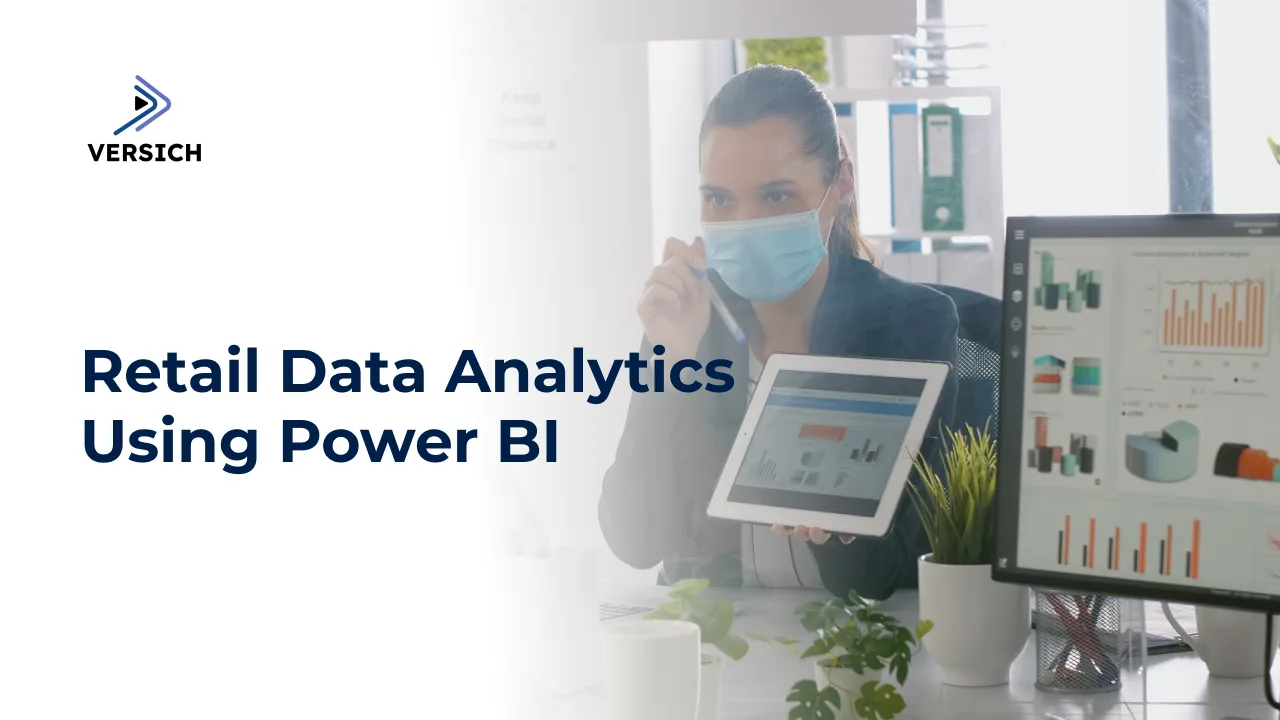
Data is rapidly becoming a core asset, akin to oil, with analytics serving as the engine driving growth. Retailers who incorporate data analytics witness an increase in revenue by approximately 10-15%, while also cutting operational expenses by around 20%. McKinsey’s Retail Analytics Report 2023 points out that data transcends mere sales numbers; it’s an invaluable resource. Retailers are turning to data analytics to enhance decision-making, fulfill rising customer expectations, and optimize operations. The growing competition from e-commerce giants such as Amazon and Temu underscores the necessity of effectively utilizing data for sustaining success. As highlighted by McKinsey & Company, retail data analytics facilitates targeted marketing campaigns, leading to a 20% improvement over traditional methods. Retail data analytics is pivotal for driving sustainable growth and fostering innovation, which encompasses crucial areas like customer analytics, supply chain management, and revenue analysis. This article will delve into the definition of retail data analytics, its fundamental components, and the tools and technologies necessary for effective implementation.
Power BI for Retail Enterprises
For retail data analytics, Power BI stands out as an effective tool that allows brands to automatically gather data from various sources, consolidate it, and generate customized analyses. This capability is crucial for retailers today as the commercial landscape evolves. Retailers now operate not only through physical stores but also often possess an online presence and utilize platforms like Amazon, Walmart, and Target for sales. Navigating multiple sales channels necessitates collecting data from various systems: POS, Shopify, Facebook Ads, Amazon Seller Central, among others. Power BI excels in aggregating data from these diverse sources into a comprehensive management report.
Examples of Power BI Dashboards for Retail Data Analytics
Our data analysts have developed numerous retail-focused Power BI dashboards for our clientele. Below, you will find examples of these dashboards that assist our clients in effectively managing various sales channels across their retail operations: managing brick-and-mortar locations, online sales, and sales through platforms like Amazon, Target, and Walmart. We will also illustrate how retail data analytics aids in inventory management and describe how clients leverage these dashboards.
Sales Analytics Insights
We designed the dashboard above for a jewelry retailer primarily selling through physical locations. Using our Shopify connector, we automatically extracted the data from their Shopify POS (anonymized in the dashboard). Our Power BI consultants enabled the client to visualize sales by outlet, collection, and sub-collection, along with profit margins. This clarity facilitated analysis of new product lines' performance versus established core products. Users can employ the provided slicers to adjust the metrics across all charts (Sales, Revenue, Average Order Value, Number of Orders) or break down metrics further by category, collection, or sub-collection. Additionally, clicking on a specific store's name within the bar chart applies filters to all other graphs, offering insights into which product categories are most popular at each location. The filters facilitate interactive analysis.
Inventory Management Insights
Retail data analytics can also significantly enhance inventory oversight. Ensuring adequate stock levels to meet demand while investing appropriately in inventory is vital for businesses. For instance, we crafted the dashboard above for a luxury watch retailer, where each inventory item carries substantial value, tying up cash if it remains unsold for too long. By analyzing how quickly their inventory moves, we discovered that Rolex watches tend to remain unsold the longest, whereas Connoisseur watches typically sell within 30-60 days. This analysis guided the client's decisions on inventory investments. Larger retailers may benefit from our warehouse dashboard, which evaluates how effectively deliveries and shipments are handled.
Walmart Seller Analytics
Collaborating with a consultancy focused on assisting clients in placing their products in Walmart and Target, we helped them leverage data analytics for effective sales management. We identified key performance indicators (KPIs) and developed Power BI dashboards aimed at analyzing Walmart seller metrics.
On-hand units: Quantity of products currently stored in Walmart locations and warehouses.
On-order units: Total units ordered by Walmart, yet to be delivered.
Total Pipeline Units: Sum of on-hand and on-order units.
Weeks of supply: The duration the pipeline's current inventory can sustain demand, calculated by dividing Total Pipeline Units by Average Weekly Sales.
Channel split: Proportion of sales from Walmart's online platform versus physical stores.
Units Sold Per Store Per Week: Divided weekly sales by the number of stores selling those products.
We began by analyzing sales from the current week against last week, the same week in the previous year, and an eight-week average. We further dissected metrics by channel (online and physical stores) to identify any channels needing optimization, such as reevaluating product packaging or enhancing images for online listings. Additionally, we monitored the inventory on hand at Walmart and assessed the duration of sales coverage it provided. When products were projected to cover fewer weeks than desired, our client was able to communicate these issues with Walmart, leading to increased sales opportunities. We also tracked product sales every week, along with the average out-of-stock percentage for each product, driving discussions with Walmart regarding potentially increasing order volumes.
Online Retail Analytics
We have partnered with many online retailers to create Power BI dashboards for analyzing their online sales. These projects often revolve around examining data from platforms such as Shopify, WooCommerce, BigCommerce, Magento, and similar sites. The insights from these data sources are invaluable for dissecting customer purchasing trends, which can uncover new marketing opportunities and develop unique offers. Those interested in specific examples of such analyses may find value in our exploration of Power BI eCommerce dashboards.
Operating an online retail store also heavily involves marketing via Google, Facebook, Bing, and other platforms. One of our clients benefited significantly from integrating data across these channels to monitor daily sales through Shopify, Facebook, Google, and Amazon. This comprehensive view simplified tracking profitability when factoring in all marketing expenditures. Subsequently, we undertook a more detailed analysis of each marketing source to locate optimization avenues. This particularly involved evaluating the success of each advertisement, campaign, thumbnail, and video utilized. Specifically, Shopify data was instrumental in quantifying sales, discounts, and refunds across individual products.
Amazon Marketplace Insights
ACoS: Advertising cost of sales, expressing advertising costs as a revenue percentage. A crucial goal for businesses is to minimize ACoS.
TACoS: Total advertising cost of sales, similar to ACoS but incorporating revenue from both paid and organic efforts.
The dashboard we built to evaluate a retailer's Amazon performance features key high-level metrics to assess profitability for their Amazon operations. The primary objective is to ensure that sales, after accounting for costs, yield enough profit to validate Amazon's participation. The advertising performance summary outlines campaign effectiveness, spotlighting areas with the highest advertising costs. In addition, the dashboard tracks both organic and ad sales weekly, along with sales volume by country and product. Product-level analysis is especially beneficial for spotting fast-growing items, revealing opportunities for bundling them with existing product offerings.
Additional Retail Analytics Techniques
While insights into retail sales and inventory are crucial for most retailers, a variety of other analytical methods can also benefit retail businesses.
| Analytics Technique | Description |
|---|---|
| Demand Forecasting | Predicting product demand through linear regression enables retailers to align inventory appropriately with future needs. |
| Customer Basket Analysis | Analyzing frequently purchased items together can inform strategies such as shelf placement or promotional bundling. |
| Footfall Analytics | We collaborated with an entertainment venue to analyze visitor data through installed sensors, though it's applicable to retail by identifying peak hours and conversion rates. |
| Shelf Analytics | IoT sensors and RFID technology provide real-time insights into product placement and stock levels, ensuring shelves remain stocked and accessible. |
| Customer Lifetime Value | By utilizing customer emails as IDs, businesses can assess shopping frequency and lifetime value, guiding customer acquisition expenditures while maintaining profitability. |
Advantages of Retail Data Analytics
Enhancing customer understanding: Identifying their preferences and purchasing behaviors.
Optimizing inventory management: Recognizing well-performing products and determining necessary stock levels.
Boosting sales: Understanding peak shopping times and effective pricing strategies.
Improving operational efficiency: Evaluating staffing needs and identifying high-performing locations.
Simple Example: Noticing that customers often buy chips along with sandwiches could prompt you to position these items nearby, increasing overall sales. This exemplifies retail analytics in motion, applying data to enhance business operations.
In summary, retail data analytics empowers store owners with data-driven decision-making, ultimately leading to increased profits and enhanced customer satisfaction.
Tools and Technologies Enhancing Retail Analytics
Today’s retailers utilize various tools and technologies to gain insights into their operations and make informed decisions. These tools assist in analyzing consumer behavior, managing inventory, forecasting trends, and visualizing data intuitively. In this article, we will spotlight popular tools and technologies employed in retail analytics and how they contribute to store growth.
Data Sources
Shopify POS: Combines retail and online sales data within a single platform, simplifying analysis.
Lightspeed POS: Offers convenient automatic data extraction.
NetSuite: Offers various integration options with Power BI, including automated spreadsheets and ODBC connections.
Brightpearl: Chosen as a reliable source by multiple retailers, facilitating streamlined analysis.
Data Analytics Tools
We strongly advocate for business intelligence software, as it enables retailers to create tailored analyses based on their needs. Two BI tools we recommend are:
Tableau: A widely used tool for generating interactive visualizations and dashboards, helping retailers quickly discern trends and patterns in their data.
Power BI: Microsoft’s data visualization solution is both cost-effective and user-friendly. It integrates with numerous data sources to produce visually appealing reports.
User-friendliness across experience levels.
Affordability for businesses of varying scales.
Enhanced decision-making through clear visual representations.
Challenges and Solutions in Retail Data Analytics
While data analytics offers tremendous potential for business improvement, various challenges can hinder retailers. By understanding these issues and implementing appropriate solutions, retailers can leverage data more effectively and accelerate growth. Let's examine three prominent challenges: data silos, skill gaps, and privacy compliance.
1. Data Silos: Fragmented Information Storage
Slower decision-making as data remains dispersed.
Potentially significant insights may go unnoticed.
Difficulties in delivering seamless customer experiences.
Implementing integrated data connector software to consolidate information from various sources.
Developing a centralized data warehouse through data engineering techniques.
Utilizing tools that link data from both online and offline channels automatically.
2. Skill Gaps: Finding Qualified Data Professionals
Suboptimal data utilization.
Missed opportunities for critical insights.
Potentially less effective business decisions.
Provide training for existing staff on data utilization and analytical tools.
Hire data analytics consultants to supplement expertise.
Rely on intuitive tools that require minimal technical proficiency.
Foster a culture that prioritizes data-driven decision-making.
Conclusion
Retail data analytics is reshaping how businesses comprehend customer behavior, manage inventory, boost sales performance, and enhance operational efficiency. Core facets such as customer insights, supply chain dynamics, inventory analysis, and workforce metrics form a solid basis for informed decision-making. Fueled by advanced technologies like AI and machine learning, coupled with user-friendly tools, retailers can unlock significant applications, such as real-time promotions, fraud detection, and improved omnichannel experiences. Anticipated future trends, including AI-driven visual analytics, voice commerce, blockchain integrity, and ethical AI practices, will further transform the retail landscape.