Over the years, accounting has evolved significantly, transitioning from tools like calculators and spreadsheets to advanced software such as Tally and QuickBooks. Nowadays, cloud accounting has emerged as a prominent method for managing financial operations. The buzz surrounding cloud accounting solutions is well-deserved, given the substantial benefits they offer. When comparing traditional accounting systems to cloud-based ones, the advantages of the latter become quite apparent. The flexibility, control, and operational efficiency provided by cloud storage and computing are undeniable. Before diving into the distinctions between these two methodologies, let’s clarify what cloud accounting entails.
What Is Cloud Accounting?
Cloud accounting software offers functionalities comparable to traditional accounting solutions, but with enhanced accessibility, flexibility, and ease of use by hosting the accounting operations across various servers. Users can conveniently store their financial data on remote servers, allowing access for accounting activities across multiple devices.
The popularity of cloud accounting software has soared in recent years, becoming a central model for enterprise software deployment. Wrapped into major ERP systems like NetSuite and packed with advanced accounting functionalities, cloud accounting tools cater to the financial management needs of businesses of various scales and sectors.
Here are some key functionalities that cloud accounting provides:
Budgeting for various projects.
Streamlining and automating numerous manual accounting processes and bookkeeping tasks.
Facilitating easy access to financial and accounting information from any location or device.
Enabling real-time data updates.
Supporting a paperless accounting model.
Lowering accounting costs.
Generating accurate financial forecasts and projections.
Calculating payables and receivables.
Managing cash flow effectively.
Producing detailed financial reports.
Offering insights powered by data to enhance business intelligence.
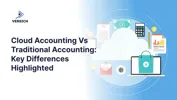
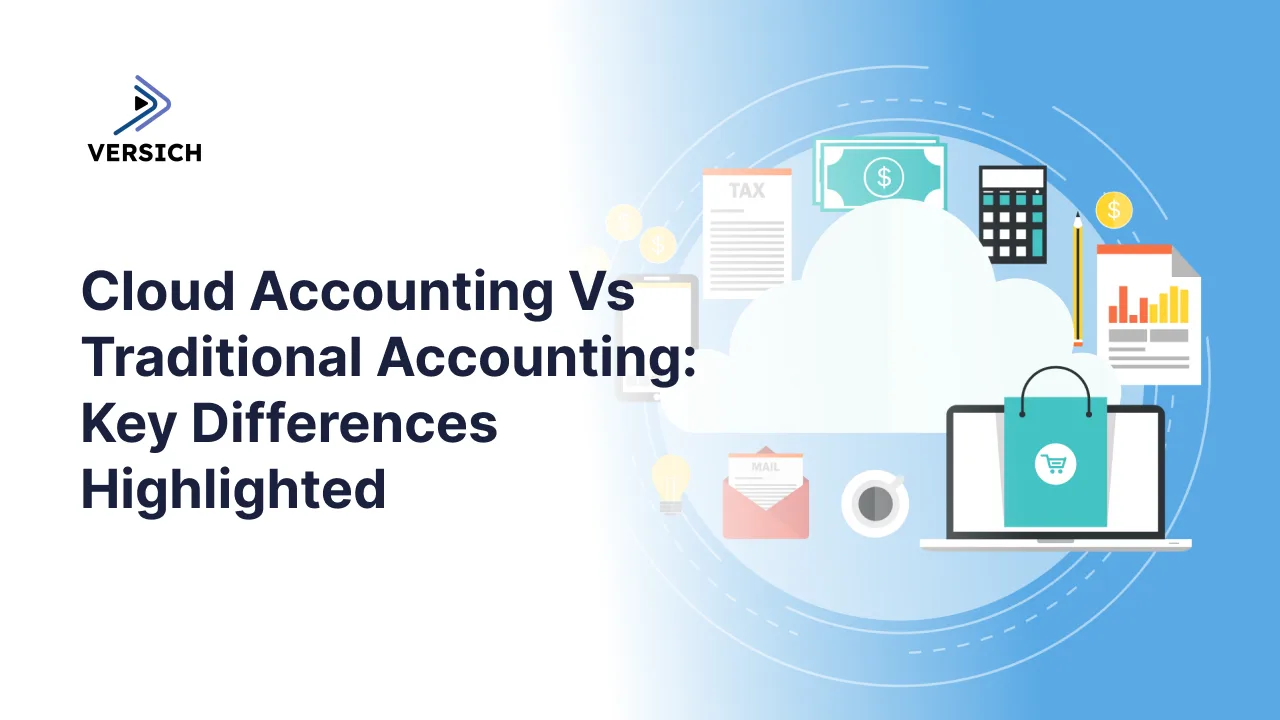
Cloud Accounting vs. Traditional Accounting: A Detailed Comparison
Traditionally, accounting software was reliant on local computers and storage systems. This reliance is where cloud accounting shines, alleviating dependence on on-site hosting and storage. In stark contrast to traditional systems that incur hefty infrastructure and maintenance expenses, cloud accounting systems have reduced costs and complexities.
The advent of cloud computing has transformed conventional enterprise software implementations by providing functionalities devoid of substantial upfront investments and licensing fees. Managed centrally by Software as a Service (SaaS) companies, these solutions ensure better professional maintenance and control, relieving business users from support-related expenses. This cost-effectiveness has also mitigated issues related to software piracy or unauthorized use.
The distinctions between traditional accounting and cloud accounting can be summarized via the contrasts between SaaS models and on-premises software frameworks. Financial teams across various organizations are increasingly opting for cloud accounting services to access data in real-time and to collaborate seamlessly using portable devices. One major advantage of cloud software is its capability for instant updates from anywhere in the world.
The NetSuite financial management suite exemplifies how cloud accounting software has integrated deeply into modern ERP automation. As ERP systems help businesses streamline operations and unlock significant growth, cloud-based accounting systems will continue to gain prominence and influence.
Infrastructure and Maintenance Costs
Traditional Accounting: This approach demands on-site hardware and IT infrastructure, resulting in substantial initial expenses and ongoing maintenance costs. As operational needs grow or software ages, more powerful hardware and additional support are required.
Cloud Accounting: Cloud-based systems operate remotely via servers, eliminating the need for specialized hardware and reducing IT infrastructure costs. By subscribing to a cloud accounting service, users are free from the burdens of software updates and maintenance.
It’s clear that cloud accounting surpasses traditional methods significantly when it comes to managing costs.
Access Convenience
Traditional Accounting: Local data storage in traditional accounting systems restricts access through other devices or channels.
Cloud Accounting: With just a login, users can access cloud accounting data and tasks in real time from anywhere, regardless of the device. Cloud accounting excels in providing robust mobile access across multiple platforms.
Real-Time Data Collaboration
Traditional Accounting: Traditional accounting tools may require manual updates, often by downloading from the internet or transferring from external drives.
Cloud Accounting: On the other hand, cloud accounting systems update all information in real time, enabling users to track changes across connected devices effortlessly. This feature greatly enhances collaboration and accessibility to real-time data.
Energy Conservation
Traditional Accounting: Relying on local hardware that periodically needs replacement, traditional solutions consume more energy and negatively impact the environment.
Cloud Accounting: Cloud accounting needs no specific hardware, leading to significant energy savings and minimal environmental impact. Users can operate on existing office devices to conduct their accounting tasks, greatly reducing the need for paper and traditional paperwork management.
Safety and Security
Traditional Accounting: Storing financial data locally exposes traditional accounting solutions to significant security vulnerabilities. Local incidents or breaches can potentially devastate stored data.
Cloud Accounting: In contrast, data stored on remote servers safeguards accounting information against local threats and allows for data retrieval whenever necessary. One of cloud accounting's greatest strengths lies in its enhanced security provided by remote hosting.
When to Consider Cloud Accounting Over Traditional Methods
Identifying specific situations can clarify when cloud accounting is particularly beneficial:
Accessibility Issues
Financial data should be accessible at any moment to managers and designated professionals. Traditional tools’ reliance on local storage limits this flexibility, making cloud accounting a preferred solution for instant access.
Security Concerns
Professionals may worry about the stability of older computers, which can crash, risking crucial financial data. Potential malware threats and hacking attempts also pose a danger. Cloud accounting provides a remedy by securely storing data in remote servers and ensuring its immediate accessibility.
Embracing Zero-Paper Operations
Businesses burdened by paperwork for financial reporting can greatly benefit from cloud accounting, streamlining their entire accounting processes. For instance, the NetSuite ERP platform exemplifies effective cloud accounting capabilities.
NetSuite Cloud Accounting: Distinct Features Outlined
When it comes to showcasing the merits of cloud accounting software, NetSuite clearly stands out. As a leading cloud ERP solution, NetSuite encompasses a range of software tools essential for modern enterprises, including robust cloud accounting.
Immediate Access to Financial Data
NetSuite enhances operational efficiency by ensuring real-time visibility and access to financial data. This feature allows businesses to monitor and manage their accounting tasks seamlessly.
High Data Transparency
For organizations prioritizing process integrity and credibility, maintaining transparency is crucial. NetSuite's real-time visibility, in-depth reporting, and strong controls ensure maximum data transparency for users, thus enhancing accountability.
Automating Accounting Processes
Globally recognized for its extensive ERP automation capabilities, NetSuite enables businesses to automate their financial and accounting tasks effortlessly, streamlining operations and minimizing bottlenecks.
Unified and Comprehensive Framework
NetSuite operates on a single, integrated platform, providing a full suite of functionalities from accounting to supply chain management, CRM, and beyond. This unified approach ensures that all accounting figures align seamlessly with other business processes.
Adaptable to Changing Needs
NetSuite is a scalable ERP platform equipped with customizable cloud accounting solutions that evolve alongside business growth and outreach. It efficiently consolidates all accounting and financial activities, from budgeting to billing, accommodating shifting accounting requirements.
Data-Driven Insights and Forecasts
With insights derived from data, NetSuite enhances the accuracy of market predictions and sales opportunities. Leveraging streamlined data analytics ensures that businesses maintain a competitive edge by anticipating future trends.
Establishing Accountability
By optimizing financial processes and accounting tasks, NetSuite helps allocate resources appropriately, ensuring accountability and facilitating quicker corrections when needed.
Conclusion
The rise of cloud-based accounting software has markedly transformed business accounting practices. This shift has not only broadened the software market but also transitioned numerous traditional accounting solutions to cloud-based SaaS platforms. Moreover, comprehensive cloud ERP systems like NetSuite have integrated accounting software solutions, leading to sophisticated automation of financial processes.