Understanding Customer Relationship Management
Maintaining customer loyalty and attracting new clients is increasingly challenging in today’s competitive landscape. Effective management of customer relationships and ensuring client satisfaction are essential for business success. Customer relationship management (CRM) platforms assist growing organizations in overseeing and analyzing extensive customer data, enabling them to deliver seamless experiences that foster loyalty. The implementation of a CRM system can enhance customer interactions, simplify daily operations, and provide various other advantages.
What is Customer Relationship Management?
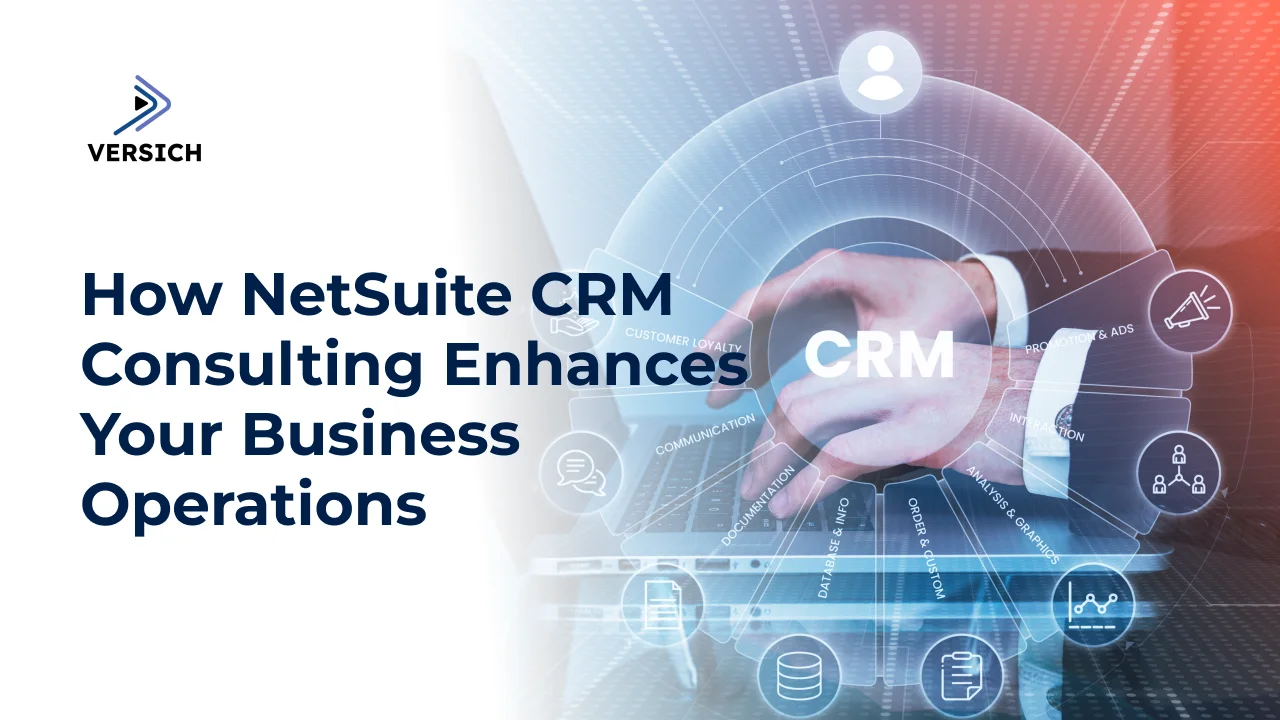
Customer Relationship Management, often known as CRM, encompasses a company's practices and strategies for engaging with clients and handling their information. It also involves the technology organizations employ to gather consumer data, oversee customer interaction processes, and maximize the benefits of these activities. A CRM system serves as a centralized hub for storing, analyzing, and displaying customer data, accessible across various departments such as marketing, sales, and customer service. For instance, NetSuite implementation partners in India can utilize a CRM to effortlessly access a customer's purchase and service history. Additionally, it can be leveraged to analyze customer trends and relationships for improved forecasting precision.
Advantages of NetSuite Customer Relationship Management
Irrespective of whether your organization operates in the B2B or B2C space, a CRM system proves to be remarkably efficient for marketing, sales, and customer service across all industries. Research indicates that 91% of companies with ten or more employees already have an automated CRM solution in place.
A CRM provides various NetSuite CRM functionalities.
Retailers can enhance their operations by tracking and storing purchase histories, customer interactions via social media, phone, or email, and patterns that inform marketing strategies.
The hospitality sector can effectively monitor guest preferences, offering tailored experiences regardless of which hotel staff member assists them.
Financial institutions can benefit from an added layer of protection through CRM when managing confidential client information, recording requirements, and histories.
In summary, if you’re struggling to keep spreadsheets updated with client information or if essential data is getting lost in lengthy lists, a CRM system might be an effective solution. An increase in revenue and customer base often indicates that your business could greatly benefit from a CRM tool. Well-organized customer interaction management increases the likelihood of repeat business.
The Role of NetSuite Consultants in Your Business
Having NetSuite Consulting services offers three significant advantages:
Enhanced Understanding of CRM Functionality
Imagine grasping fully all the capabilities offered by your CRM platform. Sounds promising, right? While your primary responsibility revolves around delivering exceptional customer experiences, accomplishing this solo is hardly feasible. Numerous components work together to simplify your workflow.
A NetSuite CRM consultant can help clarify what your system can do for you. From managing lead opportunities to processing sales orders, deliveries, subscriptions, upsells, cross-sells, and maintenance, the system supplies consistent insights throughout the customer journey, yielding better sales outcomes. If sorting through data, generating reports, and figuring out how technology can align with your business goals feels overwhelming, a NetSuite CRM expert can assist in streamlining these tasks.
Improved Client Engagement
Customers represent the very essence of your business. To foster long-lasting trust and dedication, maintaining deep connections with them is vital. The right tools can transform every client interaction into a valuable opportunity. However, gauging how to engage optimally can be challenging, especially when you’re busy striving to boost revenue. This is where top NetSuite implementation partners come into play, helping you keep your sales strategies aligned through automated processes and email templates. They allow you to manage crucial details so that you can concentrate on what you do best.
Aligning Your Business Operations
Each organization has its own distinctive workflows that require tailored solutions. CRM software isn't universally applicable, nor is it designed the same way for every business. Regardless of your company's complexity, your CRM's design and application should reflect its uniqueness. Working with a CRM consultant allows you to craft a custom CRM solution that connects you with your clients, enhances operations, and empowers your workforce. As your business evolves, it's essential to integrate the unique people, priorities, and processes that define your company.
Drive Your Business in a Beneficial Direction with Trustworthy CRM
Implementing corporate software is an investment. Understanding what to expect from your CRM initiative can help in assessing its return on investment (ROI). The best CRM systems offer comprehensive capabilities tailored to your specific business needs, all while enhancing cost-efficiency, boosting customer satisfaction, and increasing sales.
For instance, a NetSuite consultant nearby could collaborate with your company's current ERP system. This integrated platform fosters collaboration for acquiring and managing crucial business data, ensuring that information remains accurate and accessible across major functional areas. Sales teams can then track their sales funnels and projections seamlessly, while customer service representatives can address support inquiries and identify the need for additional consultants simultaneously. Having a unified CRM solution can enhance organizational productivity and improve customer satisfaction.
Additionally, customers can leverage NetSuite's CRM features to submit service requests or inquiries, as well as manage invoicing and asset balances through an online self-service portal. From a marketing perspective, CRM software streamlines the classification of clients, empowering marketers to conduct targeted campaigns that can lead to increased conversion rates.
CRM serves as an essential tool for businesses looking to attract customers, ensure their satisfaction, and maintain their engagement. The benefits extend far beyond these factors; a robust CRM can significantly improve everyday operations, enhancing customer interactions, driving sales, uncovering valuable insights, and fostering communication across departments.