Understanding Data Protection with NetSuite
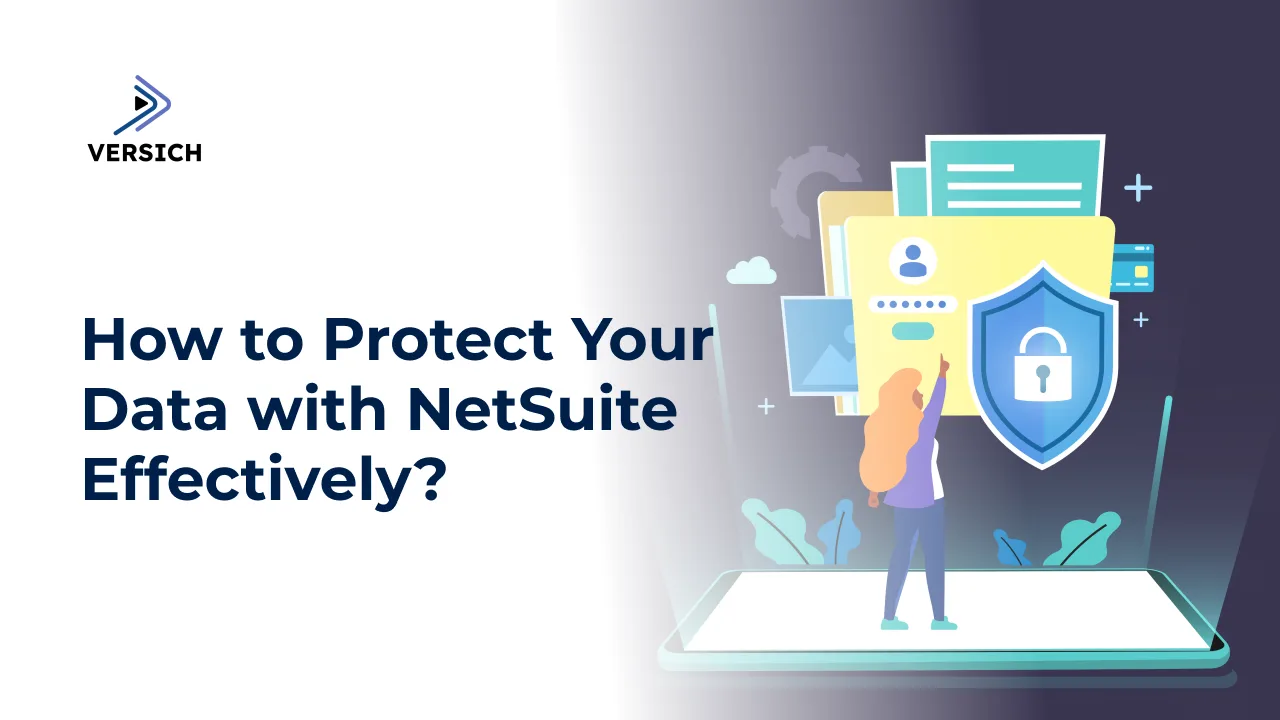
The safety and integrity of your business information are no longer optional but essential, akin to maintaining operational excellence and profitability. A data breach, regardless of an organization’s size, can disrupt systems, unveil confidential strategies, and fundamentally undermine a company's standing. The financial ramifications of such breaches are also significant. Given that ERP and CRM systems oversee every facet of business operations, these management platforms must prioritize data and application security.
Recognizing this need, Oracle NetSuite, the fastest-growing 100% cloud-based ERP and CRM solution, emphasizes the necessity of robust data security. A NetSuite alliance partner experienced in handling high-security projects can further assist organizations in tailoring security protocols.
NetSuite Security: Application-Centric Features
In a world where software is predominantly cloud-based, traditional administrative privileges are still necessary for certain functions, albeit with enhanced security measures in place. A NetSuite Certified Partner with diverse project experience can guide you in selecting the most suitable NetSuite features tailored to your organization's needs.
Let’s delve into some notable NetSuite security features designed specifically for applications.
Role-Based Access Control (RBAC)
Role-based access control, or RBAC, is one of NetSuite's most prominent security functionalities. This feature allows specific user permissions, controlling access to applications and data based on the user's role. It ensures that each NetSuite user can only view data pertinent to their responsibilities, thus minimizing the risk of unauthorized access.
Automatic Logout Feature
NetSuite's automatic logout feature activates when the system detects inactivity over a designated timeframe. This safeguard ensures that if an employee leaves their session unattended, it will lock, preventing unauthorized access from anyone else using the same device.
IP Address Restrictions
With IP address restrictions, companies can enhance security further, limiting logins to authorized locations only. This makes it easy to configure which devices or geographical areas are permitted to access NetSuite.
256-Bit Encryption
NetSuite employs 256-bit encryption, a security standard comparable to that utilized by financial institutions for online banking. This level of encryption applies to all activities, from user login to data access, safeguarding sensitive information just as securely as bank transactions.
Comprehensive Password Compliance
Choosing applications recognized by NetSuite SuiteApp or custom applications built by professional NetSuite implementation services significantly strengthens security measures. NetSuite's password policies adhere to or surpass industry standards and encompass:
Minimum Password Length Requirements: Users can be educated on password practices to minimize the risk of unauthorized disclosures or password recycling through strict internal password protocols.
Access Level Management and Activity Monitoring: NetSuite provides a robust mechanism for controlling data access, ensuring that users interact only with the application and not the underlying database. Its built-in audit trail allows monitoring of suspicious activities across your NetSuite applications.
Seamless Software Updates
As a cloud-based solution, NetSuite automatically performs software upgrades. Historical data breaches have frequently resulted from unpatched vulnerabilities, such as the infamous 2017 Equifax breach, which was caused by an unaddressed bug. By automatically updating, NetSuite addresses such security challenges efficiently.
Global Data Centers for Security
NetSuite boasts a network of global data centers that are instrumental in protecting client data. These 12 data centers are extensively secured, monitored, and staffed around the clock. In the event of a breach or operational failure at one center, the others ensure uninterrupted data mirroring and disaster recovery.
NetSuite accommodates over 24,000 clients who manage approximately 1.5 billion application requests daily. Their sophisticated cloud architecture is adept at handling fluctuating usage demands and supporting substantial data volumes.
Role-Based Access and Automatic Logout
Whether you're involved in executive reporting or sales prospecting, Oracle NetSuite's access controls ensure only authorized personnel can access specific functions. Role-based access is closely aligned with professional duties, permitting only pertinent data visibility. Additionally, the system automatically secures accounts after a brief period of inactivity, providing an extra layer of protection.
Every instance of login and logout is recorded, documenting date, time, location, and user details. This creates a transparent log, allowing you to swiftly identify any unauthorized access attempts.
Intrusion Detection Systems (IDS)
Robust intrusion detection systems within NetSuite play a crucial role in keeping business data secure. Continuous third-party scans and penetration tests ensure your account is routinely monitored, providing reassurance against unauthorized interference.
Approved NetSuite Apps
The potential for security breaches escalates with third-party applications since not all are safeguarded against threats. By consulting NetSuite integration services, you can select reliable third-party applications. Always utilize applications that are recognized by NetSuite, which can be found on SuiteApp.
Advanced Database Security Measures
NetSuite's security features comply with stringent data protection regulations. The 256-bit TLS encryption safeguards all logins, reflecting standards adopted by online banking systems. Additionally, NetSuite supports API and Custom Attribute encryption, ensuring data remains secure.
Only authorized users can access sensitive information due to strict permissions, granular roles, and specific geographic IP restrictions.
Password Management and Security
To enhance security, NetSuite does not allow the reuse of previous passwords. It mandates a minimum length, complexity requirements (including numbers, letters, and symbols), and regular password updates. The platform also supports multi-factor authentication, incorporating additional safeguards like physical tokens.
Protection Against Phishing Attacks
Given that over 124 billion business emails are sent daily, cybercriminals frequently target organizations through phishing exploits. These attempts are designed to deceive employees into revealing sensitive information, such as financial data and passwords. NetSuite implements measures to shield users from these threats, ensuring their security remains intact.
Conclusion
NetSuite enhances security protocols with features like multi-factor authentication, token-based application verification, and location-based access restrictions. Its dedicated security team, coupled with continuous monitoring and advanced protective measures, guarantees the integrity of operational data centers.