Managing both tangible and intangible assets efficiently is crucial for any business. A robust asset management system is essential, especially for organizations with a myriad of assets to offer clients or customers. However, managing these assets presents numerous challenges. Therefore, selecting a comprehensive asset management solution that simplifies these processes is vital. This guide outlines five key strategies for effective asset management to help enhance your business's productivity. The NetSuite Fixed Asset Management module plays a crucial role in helping you efficiently track your business assets. Before diving into details, let’s first explore what fixed asset management involves.
What Is Fixed Asset Management?
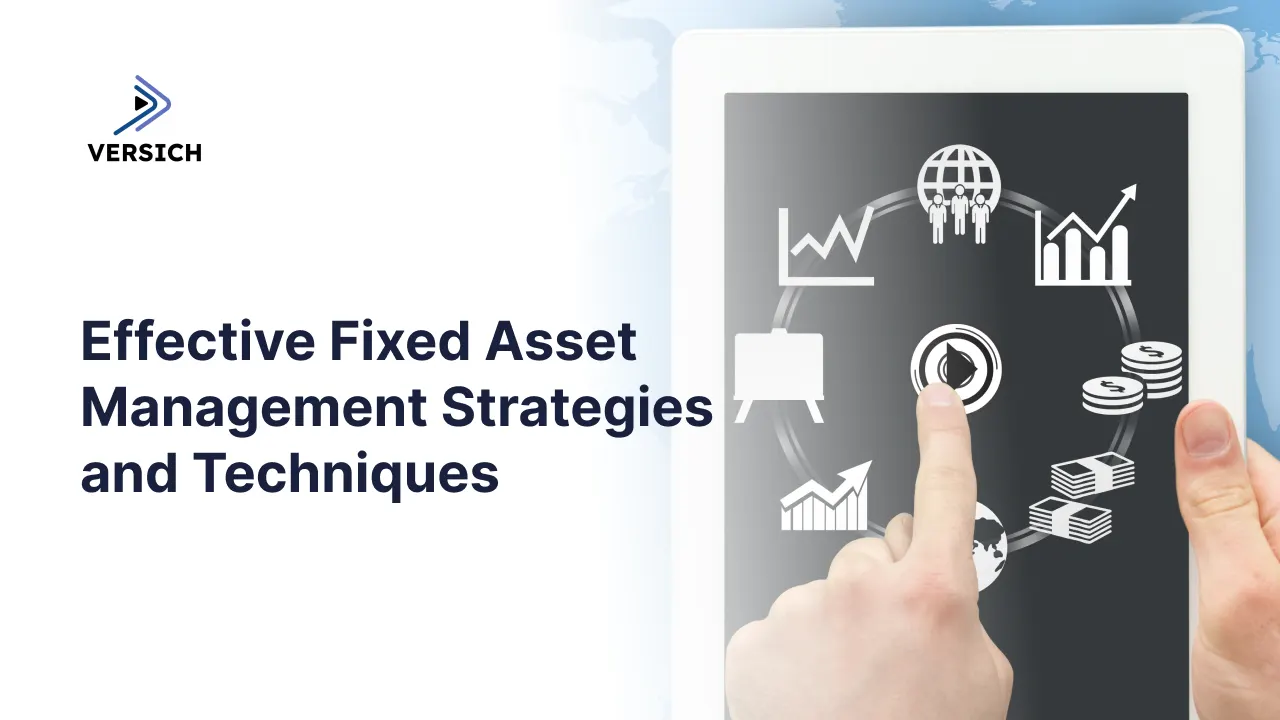
In an IoT fixed asset management setup, the location and status of physical assets are tracked using sensors and RFID tags. This data is relayed to a central database, accessible only to authorized personnel. The system reports on the condition, usage, and repair needs of the assets, enabling more informed decisions for asset utilization. Industries such as manufacturing, shipping, and healthcare already utilize IoT fixed asset management systems, making them increasingly popular as technology advances. This trend is attributed to their effectiveness in monitoring physical assets.
What Are The Advantages of Using a Fixed Asset Management System?
Fixed Asset Management Services offer numerous benefits:
Ensures proper maintenance of assets, which can extend their lifespan and minimize unexpected downtimes.
Provides reliable data on asset performance and costs, aiding in better decision-making.
Demonstrating asset ownership and maintenance documentation can lead to reduced insurance premiums.
Accurate taxation reporting of all assets may enhance tax compliance.
How Can You Manage Assets Efficiently?
With a clear understanding of the significance of fixed asset management, it's time to delve into some actionable tips and techniques.
1. Designate a Team Responsible for Asset Oversight
Juggling various business responsibilities can be overwhelming. Since complete control over each aspect, particularly asset management, isn’t feasible, appoint a trusted individual to oversee the company's assets. For smaller businesses, one or two individuals may suffice. Conversely, larger organizations should have a dedicated team for asset management. Regardless, employing an integrated asset management system is essential for effective operations.
2. Understand Your Asset Life Cycles
Grasping the complete life cycle of your assets, from acquisition to disposal, is crucial. Estimate the operational lifespan of each asset, as this knowledge will help in planning maintenance effectively. Moreover, forecasting asset life cycles allows for more strategic long-term investments. For instance, you may opt for more durable computers that last longer than your current models.
3. Regularly Track Your Assets
Without diligent asset tracking, your business risks incurring significant losses. You may face penalties from taxes and insurance, as well as unnecessary expenses related to maintenance. Additionally, taxes may apply to assets that have depreciated or are no longer in your possession. Ensure you keep an accurate count of assets on your books and those physically present to prevent overstretching resources.
4. Comprehend Asset Depreciation
Being aware of how quickly your assets depreciate is vital for effective management. Identify which assets are outdated and determine the reasons for their obsolescence. Your staff may be still working with legacy equipment, hindering productivity. Regular depreciation tracking is essential. Employing a fixed asset management accounting system can streamline identifying assets that should no longer be used and optimal purchasing times.
5. Implement Automated Management Solutions
Manual asset management can drain time and resources while yielding subpar results. Transitioning to an automated asset management system can significantly enhance your operations. Automation can streamline asset creation processes, including tracking asset value, depreciation, maintenance, contract administration, cost analysis, and generating comprehensive reports. This shift can lead to improved operational efficiency, effectiveness, and productivity within your company.
Conclusion
Fixed assets typically represent a significant portion of a company’s investments, reflected on its balance sheet. Neglecting to monitor these assets can lead to issues like inflated tax liabilities and excessive insurance payments. Nevertheless, utilizing fixed asset management software simplifies the oversight of assets, even when a company fails to routinely review their lifecycle, thus securing a substantial amount of equity in untracked assets.