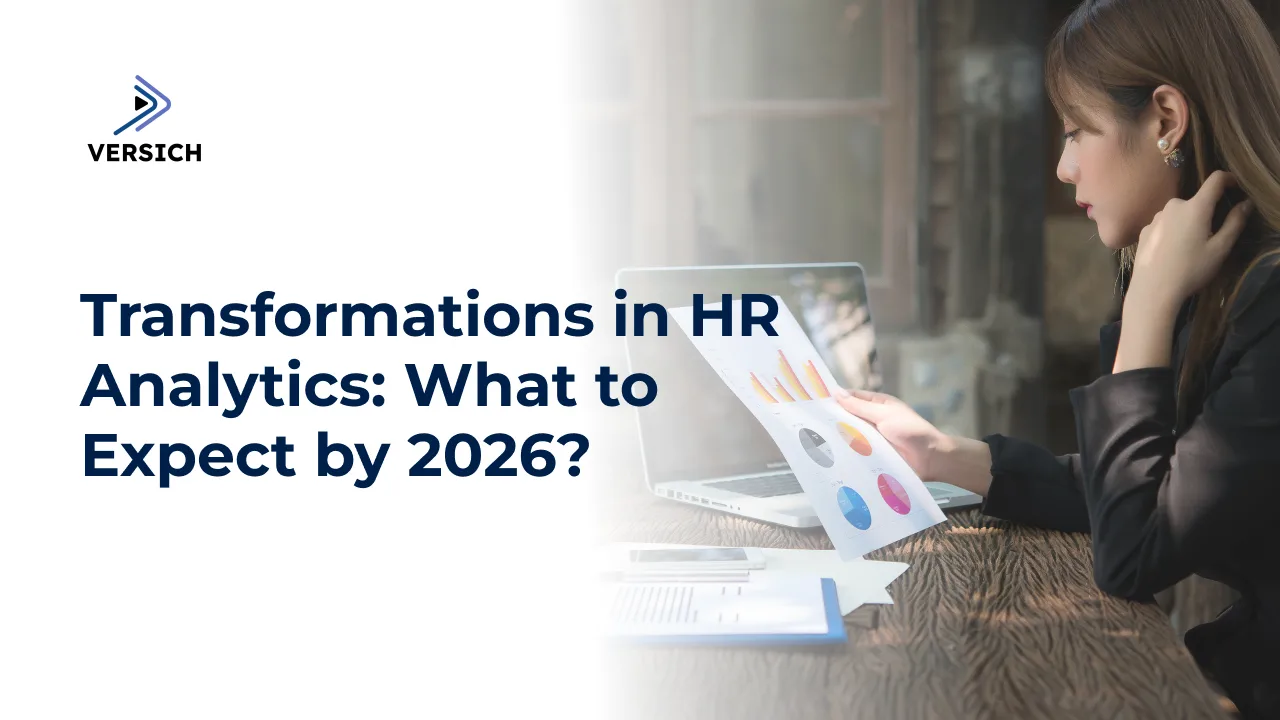
In 2026, modern HR analytics is redefining the HR landscape. Through predictive analytics, organizations can uncover the reasons behind workforce trends and anticipate future developments. As data becomes a crucial element in business strategies, HR leaders adept in analytics are poised to excel and make informed decisions.
“HR will not be replaced by data analytics, but HR who don’t harness data and analytics will be overtaken by those who do.” - Nadeem Khan
Human resource management has heavily relied on personal experience and managerial insight. This traditional approach flourished in predictable environments, characterized by stable workforce dynamics and uniform employee expectations. However, today's workplace landscape has fundamentally evolved. With hybrid and remote work models gaining traction, the competition for premier talent is more intense than ever.
Organizations must recognize that talent has a direct correlation with business performance. Consequently, they need to leverage data and evidence for decision-making processes. This is precisely where modern HR analytics becomes indispensable.
According to Grand View Research, the global HR analytics market reached a valuation of USD 2.95 billion in 2022 and is projected to increase to USD 8.59 billion by 2030, demonstrating a compound annual growth rate (CAGR) of 14.8%. A 2024 Secondtalent report indicated that a mere 6% of companies have achieved predictive maturity, where data-insights significantly influence business strategies.
As HR analytics trends evolve from 2025 into 2026, organizations are shifting focus from reactive reporting to predictive intelligence. Companies are not only measuring past metrics but are also analyzing causative factors and forecasting future outcomes.
While numerous organizations gather HR data, only a few manage to translate this information into actionable strategies. This is where modern HR analytics shines-enabling businesses to predict workforce demands, assess retention risks, enhance performance, and reconcile talent decisions with overarching business goals.
Differentiating Traditional HR Analytics from Modern HR Analytics
Traditional HR functions often fixated on administrative metrics such as employee attendance and headcount. These metrics primarily served to outline historical data without linking it to vital business outcomes like performance or profitability. For instance, HR departments tracked turnover rates or employee training hours but often overlooked the connection to organizational success.
Conversely, modern HR analytics emphasizes data-driven hiring processes and explores the reasons behind trends, alongside predicting future developments. With advancements in data visualization and predictive modeling, HR teams can now effectively forecast workforce dynamics and evaluate employee engagement. They can also pre-empt potential resignations or skill shortages.
Key Differences:
Focus: Traditional HR analytics centered on historical data, while modern analytics prioritizes predictive insights.
Application: Modern analytics employs advanced data visualization techniques for deeper insights.
Decision-Making: Insights from modern HR analytics directly influence strategic objectives.
| Traditional HR Analytics | Modern HR Analytics |
|---------------------------|---------------------|
| Reactive Reporting | Predictive Intelligence |
| Descriptive Metrics | Data Visualization |
| Historical Data | Predictive Insights |
Essential Components of Modern HR Analytics
Talent Acquisition Analytics
Acquiring talent goes beyond simply filling vacancies; it's about selecting individuals who can thrive and advance business goals. Modern HR analytics equips organizations to make informed hiring choices based on factual evidence rather than gut feelings.
Advantages:
Identify effective channels for sourcing skilled candidates.
Forecast which candidates are likely to succeed and remain long-term.
Decrease time-to-hire and recruitment costs.
Enhance candidate experience through streamlined hiring processes.
Mitigate unconscious bias in the hiring process.
Performance Analytics
Performance analytics transcends traditional annual evaluations, continuously assessing employee contributions and aligning them with organizational goals. This enables HR to acknowledge talent and enhance performance for greater alignment of individual and organizational objectives.
Advantages:
Trace employee contributions and correlate them with business outcomes like revenue or project success.
Recognize high-potential employees for leadership roles.
Create customized career development strategies.
Detect skill gaps or underperformance early for timely interventions.
Align personal goals with team and overarching business objectives.
Engagement & Retention Analytics
Engaged employees demonstrate higher productivity and satisfaction levels. HR analytics serve as a tool for identifying early signs of disengagement and determining key factors driving employee retention, facilitating proactive measures to keep top talent motivated.
Advantages:
Identify indicators of disengagement, such as reduced participation or increased absenteeism.
Gauge sentiment and satisfaction via behavioral patterns and surveys.
Analyze how compensation, recognition, and work-life balance influence retention.
Implement targeted measures to enhance retention.
Decrease voluntary turnover by proactively addressing employee issues.
Workforce Planning & Skills Analytics
Workforce planning anticipates organizational future requirements while ensuring the right skills are available. A solid grasp of workforce analytics allows for forecasting skill gaps, succession planning, and aligning training investments with business strategies.
Advantages:
Anticipate skill gaps and future talent requirements.
Recognize succession risks and formulate backup plans.
Predict retirement or attrition trends.
Align training investments with business targets.
Optimize team configurations and resource allocation.
The Significance of Modern HR Analytics
Organizations today face a rapidly shifting work landscape, escalating costs, and higher expectations from both employees and leaders. By incorporating analytics, HR teams can make informed and equitable decisions that significantly influence organizational performance.
Key Reasons Modern HR Analytics Matter:
Accelerated Workforce Changes: The advent of hybrid work, gig models, and flexible contracts demands quick, data-led responses to keep the workforce engaged and productive.
Significant People Costs: Employee expenditures constitute a considerable part of total costs, and analytics can optimize resource allocation and enhance productivity.
Retention Challenges: Analytics enable identification of employees at risk of resigning, aiding in devising targeted retention strategies.
Accountability: Analytics link HR initiatives to concrete business impacts, such as revenue generation and improved productivity.
Reduction of Bias and Promotion of Fairness: When appropriately utilized, analytics and AI can minimize unconscious bias in hiring, promotions, and appraisals, fostering a more inclusive workspace.
The Influence of AI and Automation on HR Analytics
Artificial Intelligence and automation are radically reshaping daily HR operations, facilitating the analysis of historical data while also predicting future workforce challenges. AI enables organizations to identify patterns that may elude human analysts, delivering valuable insights. Nevertheless, reliance solely on AI without human guidance can perpetuate biases or yield context-lacking decisions. The ideal approach combines machine precision with human judgment, shaping modern HR analytics into a powerful tool.
Applications:
Predictive Workforce Insights: AI can simulate scenarios, predicting the effect of various workforce policies on retention and productivity.
Scaled Sentiment and Engagement Analysis: Natural Language Processing (NLP) tools provide real-time insights into employee sentiment from feedback channels.
Customized Learning and Development: AI can align employee skills with anticipated business needs, offering tailored training recommendations.
Strategic Forecasting and Planning: Simulation tools equip leaders to explore "what-if" situations before executing changes.
Elevating Your HR Analytics Strategy
PeopleBI empowers organizations to convert HR data into actionable insights, facilitating evidence-led decision-making. By seamlessly integrating with Power BI, it offers an interactive view of workforce trends.
With PeopleBI, HR leaders can identify patterns proactively to address potential issues, enhancing talent management. It supports strategic workforce planning, ensuring that learning and resource allocations correlate with business aims.
Considerations for Ethical AI Use
Human oversight is crucial; interpretations of AI insights must consider organizational context.
AI outputs only yield reliable results when supported by accurate data; biased or flawed data leads to misleading insights.
Developing ethical frameworks is essential to prevent discrimination in hiring and promotions.
Conclusion
HR analytics solutions, such as PeopleBI, guide HR departments in uncovering workforce trends and aligning decisions with business objectives. By converting raw data into actionable insights, HR moves from reactive problem-solving to proactive strategy formulation. However, human judgment remains critical; empathy and contextual understanding are essential. By melding data with human insights, HR leaders can make informed choices and retain top talent, driving business success.